Boardshorts or bikini
The default for most of the year.
What to Expect Before You Go
Ecuador rarely appears at the top of surf trip shortlists. Most international surfers land in Costa Rica or Bali before they ever consider South America's Pacific coast. That is changing, but the waves have been here all along.
The country sits directly on the equator, keeping water temperatures warm year-round, typically between 20°C and 26°C depending on the season. No wetsuit required, no prices inflated by surf tourism, no lineups packed by mass appeal. The breaks are consistent, varied, and genuinely suited to every level.
After twenty years living and surfing here, I still find it hard to explain why Ecuador is not more crowded. The most honest answer: it is simply not on enough radars yet.
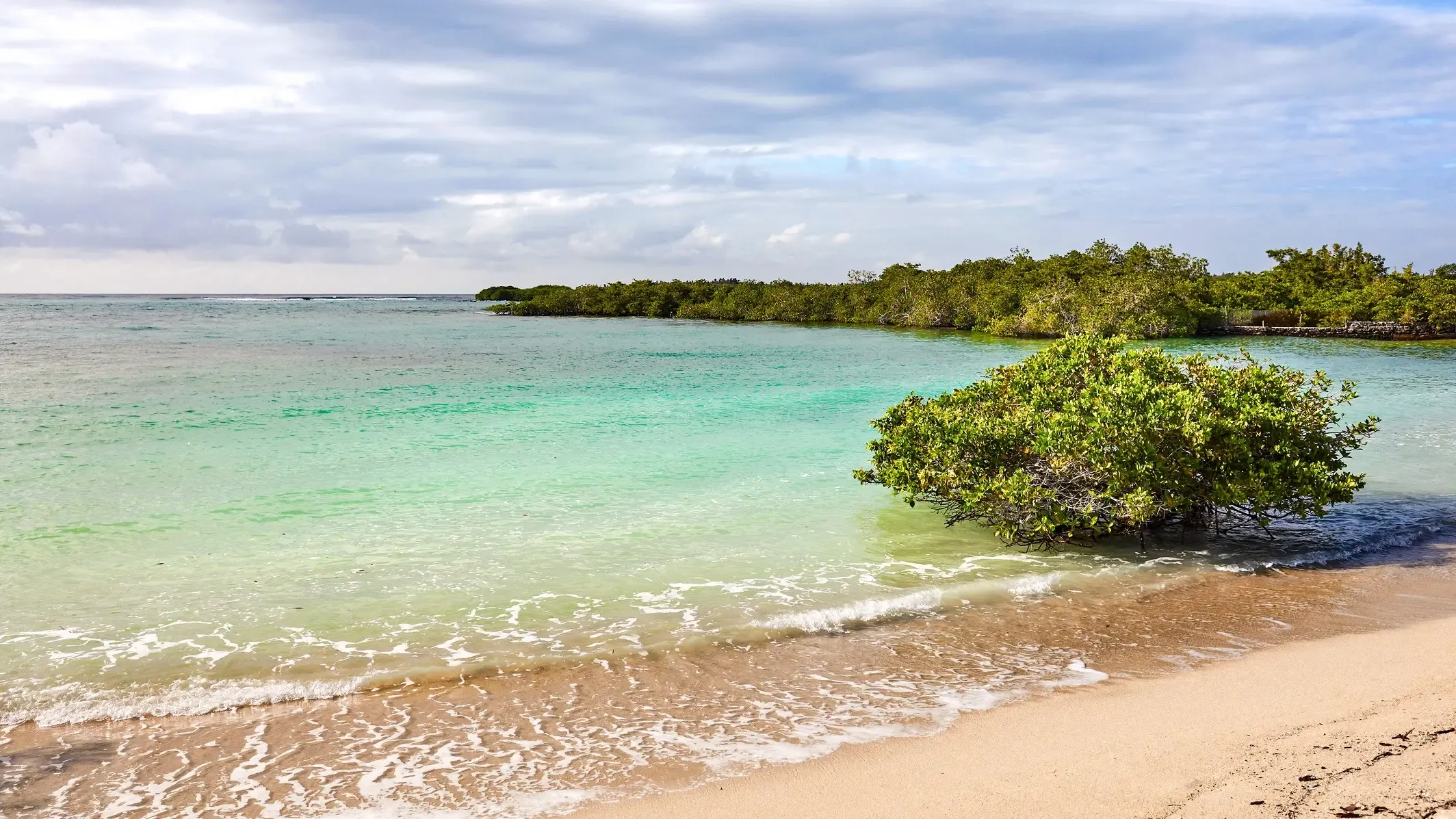
Ecuador has roughly 2,000 kilometers of Pacific coastline. The most reliable surf sits along the Santa Elena Peninsula in the south and stretches north through Manabí Province into Esmeraldas. The waves cover the full spectrum: mellow beach breaks, long point breaks, and exposed reef setups that hold serious swell.
Montanita is the most accessible entry point for first-time visitors. The main break is a right-hand point with long, forgiving sections that work well on a longboard. Lessons, board rentals, and daily instruction are available in town.
Olon, five minutes to the north, offers a quieter beach break with more room to learn without navigating around other surfers. For complete beginners, the extra space makes a real difference.
Ayampe sits south of Montanita and offers one of the most consistent beach breaks on the coast. The wave breaks with enough shape to practice turns and read sections, without the power that punishes mistakes. It works particularly well on a north swell.
Canoa, further north in Manabí, spreads across a wide beach with multiple peaks. It rewards surfers who can read a lineup and choose their position, making it a solid choice for intermediates building confidence in less predictable conditions.
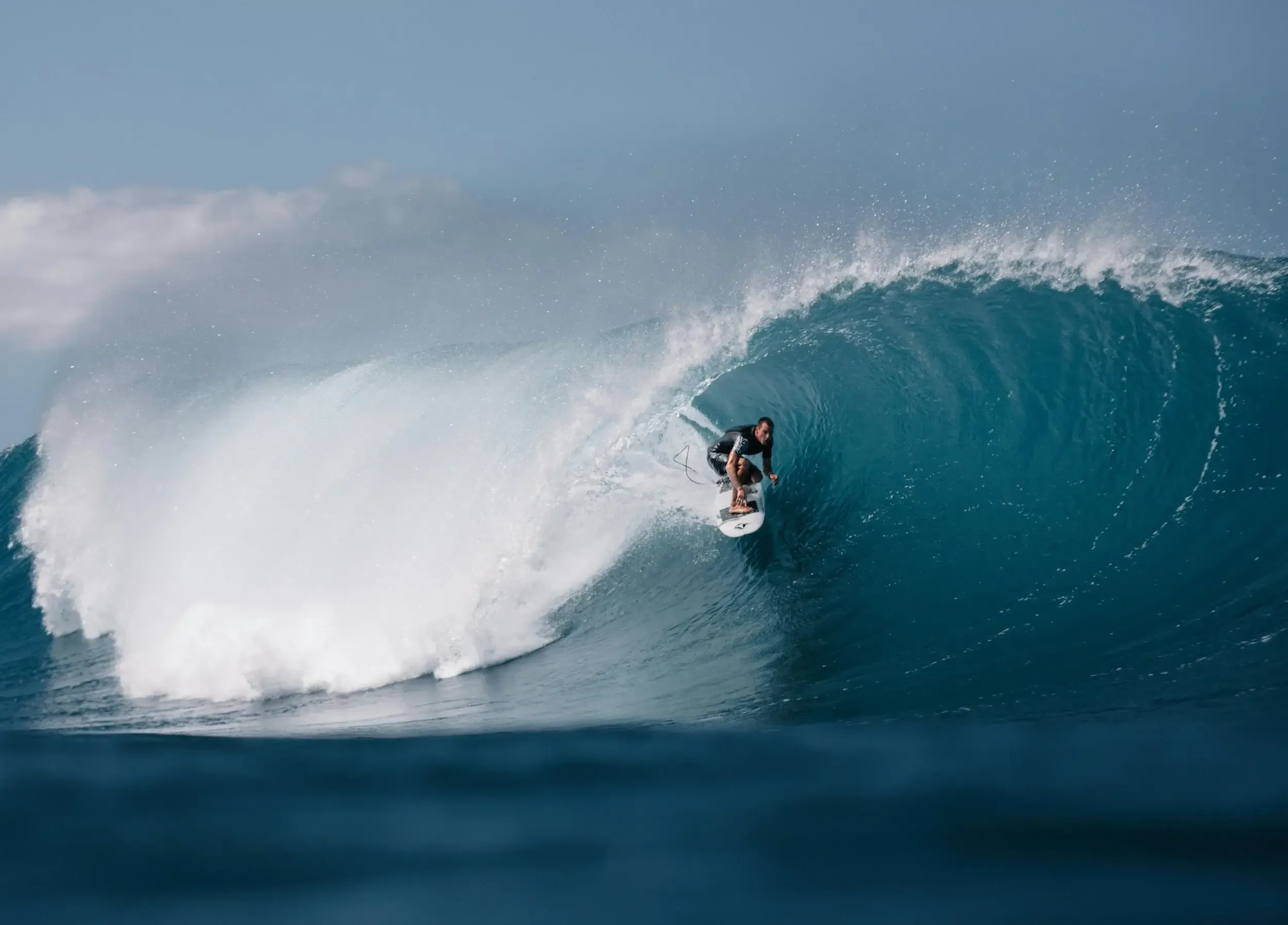
Mompiche is the headline act for experienced surfers. This left-hand point break in Esmeraldas Province can hold significant swell and produce rides of several hundred meters on the right day. It is remote, requires planning to reach, and the conditions can be demanding. That is precisely what makes it worth the effort.
The northern coast beyond Mompiche holds other powerful and largely unexplored setups, accessible mainly through local connections. Ecuador Surf Camp maintains partnerships across this region for surfers who want to go beyond the standard circuit.
Ecuador is a 12-month destination. There is no true off-season. But the two halves of the year deliver noticeably different conditions.
| Warm Season (Dec–May) | Dry Season (Jun–Nov) | |
|---|---|---|
| Swell | Bigger, more consistent NW swells | Smaller, more variable |
| Wind | Light, often offshore in mornings | Predominantly offshore, cleaner shape |
| Water temp | 24–26°C | 20–22°C |
| Best for | All levels, including those chasing size | Intermediate to advanced, technique work |
| Sky | Hot, humid, occasional rain | Drier, cooler, clearer |
The warm season from December to May is when Ecuador produces its most consistent and powerful surf. Beginners benefit from reliable waves and warmer water. Experienced surfers chasing size find their best windows here.
The dry season from June to November brings offshore winds that groom the waves into cleaner, more defined shapes. The swell is less powerful, but the conditions suit progression and methodical improvement.
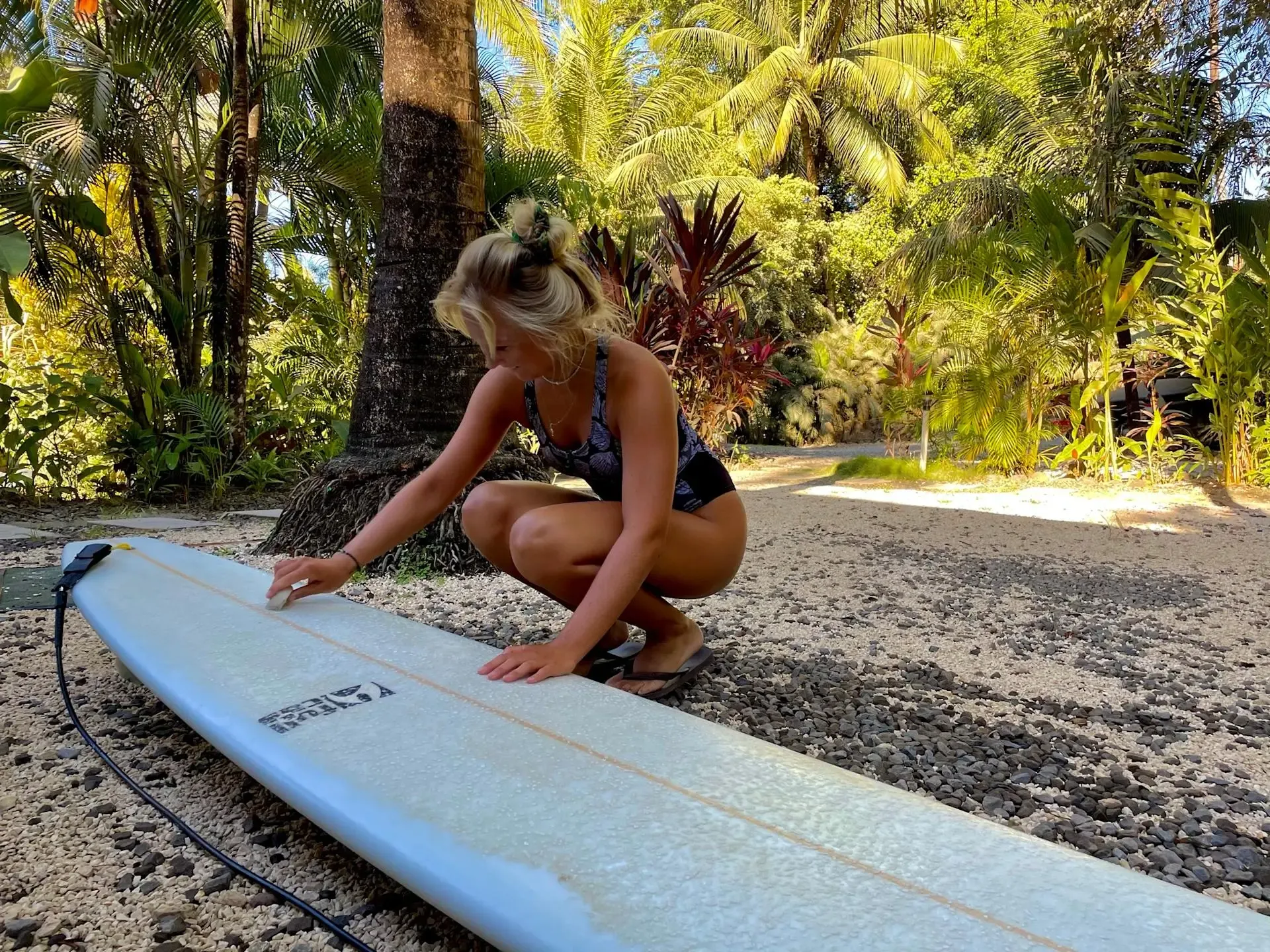
The water is warm enough for boardshorts and a rash guard in both seasons. A light 2mm spring suit can be useful during the dry season in the south, but most surfers visiting from temperate climates find it unnecessary.
The default for most of the year.
Useful for sun protection and light warmth in the dry season.
Recommended for Mompiche and any reef setups in the north.
The equatorial sun is intense, even through cloud cover.
An 8'6" to 9'6" longboard for beginners; a mid-length or shortboard for intermediate surfers and above. Boards are provided for all levels at the camp.
The main gateway to Ecuador's surf coast is Guayaquil International Airport (GYE), served by direct flights from Miami, New York, Madrid, Bogotá, and Lima. Quito (UIO) is a practical alternative for travelers arriving from Europe or heading north toward Mompiche.
Fly into Guayaquil (GYE)
Arrange a private transfer or take a direct bus toward Santa Elena
Montanita is approximately 3 hours from the airport by road
For northern destinations (Canoa, Mompiche), Quito is the more efficient starting point
Ecuador uses the US dollar. No currency exchange needed for American travelers, and conversion is straightforward for everyone else. Most Western nationalities, including US, EU, UK, Canada, and Australia, can enter without a visa for stays up to 90 days.
Local buses between coastal towns run frequently and cost roughly $1 per hour of travel. Car rentals start at around $20 per day for those who want flexibility between spots.
If you have questions about your level, your timing, or which spots make sense for your trip, reach out and we'll put together the right itinerary for you.
Plan Your Surf Trip