The artisan market
Local vendors sell handmade jewelry, hammocks, and crafts along the main pedestrian street. It is active most evenings and draws a genuine mix of locals and travelers.
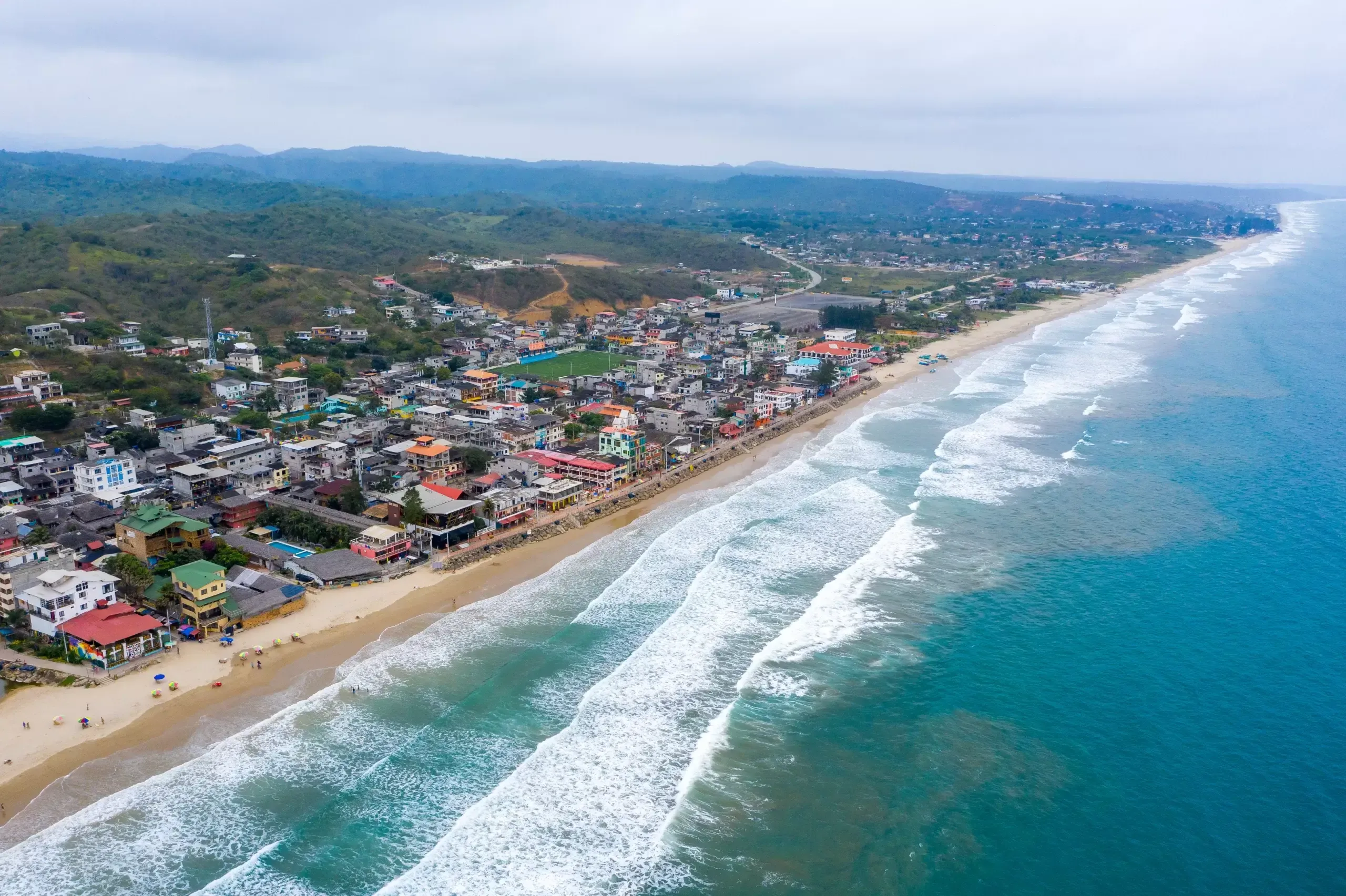
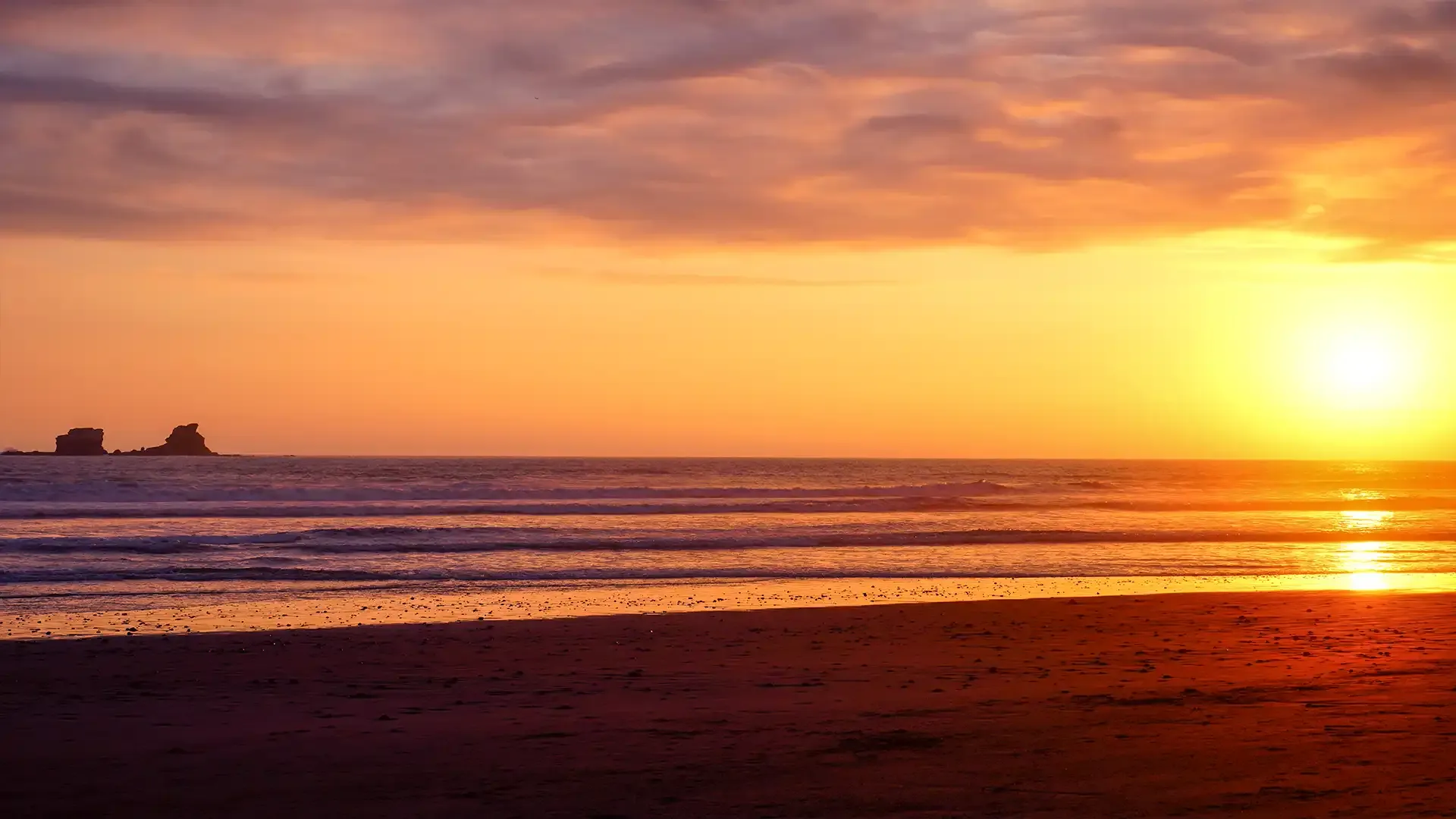
The coast around Montanita is not a one-trick destination. On flat days, rest days, or the free hours between sessions, there is a coastline worth exploring: a national park with snorkeling and wildlife, humpback whales offshore from July to October, and a town with its own rhythm once you step back from the beach.
Most Ecuador itineraries start in Quito. Yours starts here.
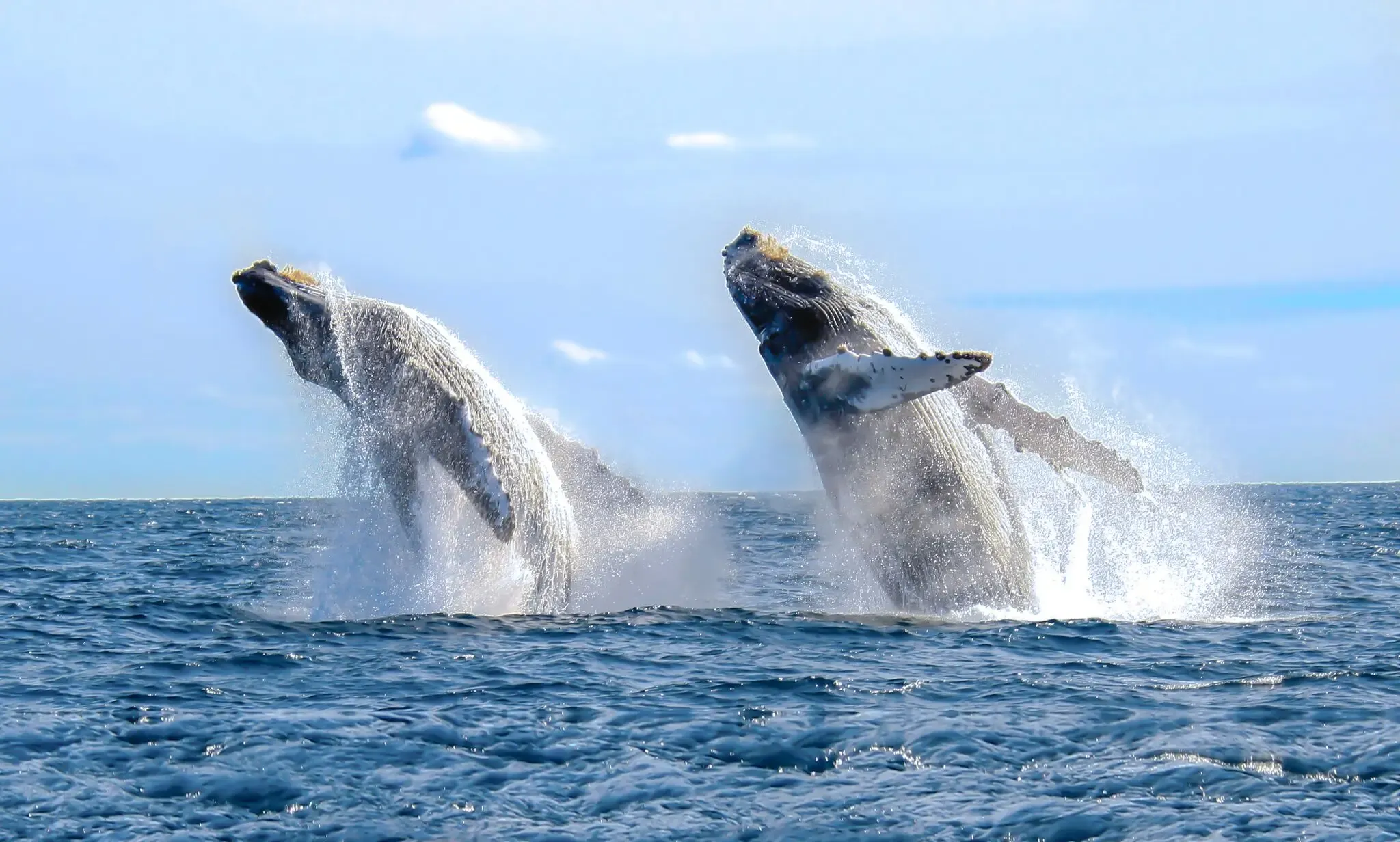
Every year from July to October, humpback whales migrate north along Ecuador's Pacific coast to breed in warmer waters. The concentration of activity along this stretch of ocean is significant. Boat trips from Puerto Lopez, about an hour north of Montanita, put you close enough to watch full breaches, tail slaps, and calves alongside their mothers.
The season coincides with dry season conditions that keep the ocean relatively calm. A half-day boat trip leaves time for a surf session on either side of it. July through September offers the most consistent sightings, though early October can still be productive.
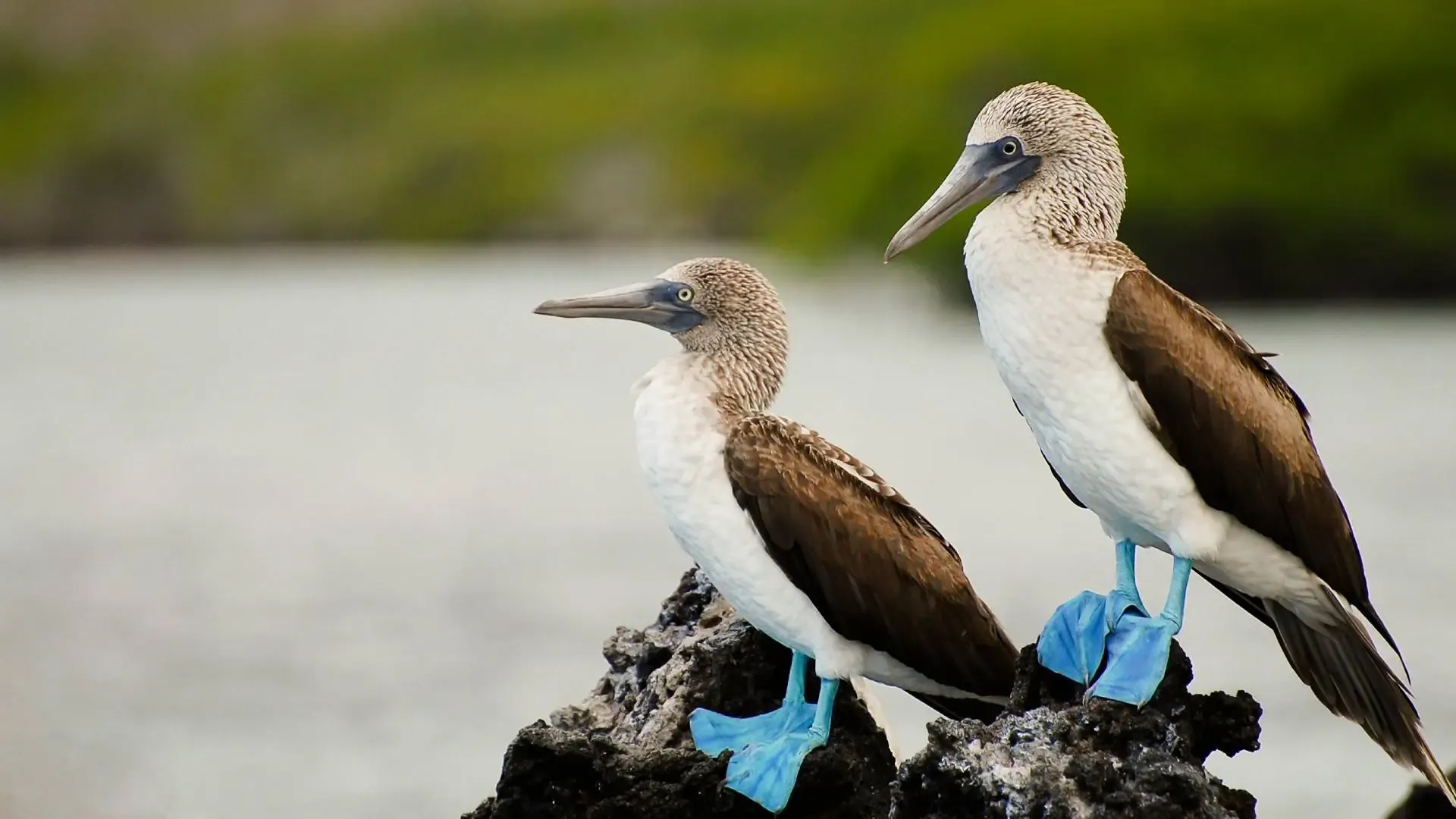
Machalilla National Park protects a stretch of dry tropical forest, coastal cliffs, and open ocean roughly 50 kilometers north of Montanita. It is one of the few places on Ecuador's coast where wildlife encounters are structured into a full day out.
A typical day trip runs as follows:
Depart Puerto Lopez by boat (approximately one hour offshore)
Walk marked trails on Isla de la Plata to see blue-footed boobies, frigatebirds, and sea turtles nesting onshore
Snorkel in clear water around the island
Return to the mainland and visit Agua Blanca: a pre-Columbian archaeological site with a natural sulfur pool
The island is sometimes called Ecuador's answer to the Galapagos, which sets expectations a notch too high. What it does deliver is genuine wildlife, uncrowded trails, and calm offshore water that feels far removed from the surf circuit. The Agua Blanca detour adds cultural depth that most beach-focused itineraries skip entirely.
Boat tours depart from Puerto Lopez and take roughly a full day. During the July to October season, whale watching is typically included in the boat leg at no extra cost.
The town is small enough to walk end to end in twenty minutes, but there is more texture to it than the main beach strip suggests. Your base at the camp puts you within easy reach of all of it.
Local vendors sell handmade jewelry, hammocks, and crafts along the main pedestrian street. It is active most evenings and draws a genuine mix of locals and travelers.
Ceviche and encebollado, a rich fish and onion broth, are the staples of the local food scene. The best spots are usually a block or two off the beach, not the tourist-facing restaurants on the main drag.
Thirty minutes north along the shore leads to Olon, a quieter town with a slower pace. Worth doing once, especially at low tide.
Montanita has an established bar and live music scene that picks up after dark. For travelers who want that side of the experience, it is easy to find. For those who do not, the south end of town is noticeably quieter.
For guests arriving early or extending their stay after the camp, two options are within range of the coast.
| Guayaquil | Galapagos Islands | |
|---|---|---|
| Distance from Montanita | ~3 hours by road | Fly from Guayaquil (~1.5h) |
| Time needed | Half day or overnight | Minimum 4 to 5 days |
| What to do | Las Peñas neighborhood, Malecon 2000 waterfront, local food market | Wildlife snorkeling, giant tortoises, volcanic landscapes |
| Best for | Arrival or departure buffer, city food scene | Full bucket-list extension |
Guayaquil is worth an overnight if you are managing a long-haul connection through its international airport. The Las Peñas hillside neighborhood and the Malecon riverfront make for a few genuinely pleasant hours. It is not a destination in itself, but it rewards a short stay more than most transit cities do.
The Galapagos is a different proposition entirely: a separate trip that happens to share a departure city. If your schedule allows for it, the islands deliver an experience that has no equivalent anywhere else in the world. Get in touch and we'll help you plan the timing.